Everything You Need to Know Before Replacing Your Siding in Sacramento & the Bay Area
Everything You Need to Know Before Replacing Your Siding in Greater Sacramento & the Bay Area
Most homeowners start thinking about siding when the outside of the house starts looking worn down. Maybe the paint is failing, the wood feels soft, the trim is rotting, or the home just does not look as clean as it used to.
But siding is not only about looks.
A proper siding job protects the structure of your home. It helps keep water out, covers and protects the wall system, improves curb appeal, and can completely change the way your home feels. The finished siding is what everyone sees, but the real quality of the job is in the prep work underneath.
At VISION SIDING, we always try to explain this clearly before we start a project. Whether we are replacing old wood siding, converting stucco to vinyl siding, installing James Hardie® siding, repairing dry rot, or replacing soffit and fascia, the goal is the same: do the job correctly so the home is protected for years.
We proudly serve homeowners throughout the Greater Sacramento area and the Bay Area, including Sacramento, Folsom, El Dorado Hills, Roseville, Rocklin, Granite Bay, Fair Oaks, Citrus Heights, Rancho Cordova, Elk Grove, Jackson, Orangevale, Lincoln, Loomis, Auburn, Galt, Lodi, Stockton, Walnut Creek, Danville, San Ramon, Livermore, Pleasanton, Concord, San Jose, Santa Cruz, Scotts Valley, Aptos, Capitola, Soquel, Watsonville, and surrounding Northern California communities.
If you are still in the early planning stage, we recommend starting with our Siding Cost Calculator. It is a simple way to get a better idea of what your project may cost before scheduling an in-person estimate. We also recommend reading our Siding Cost Blog, where we break down the main things that affect siding pricing.
Siding Replacement Is More Than Just New Siding
A lot of people think siding replacement means removing the old material and putting new siding back on. Sometimes it is that simple, but many times there is more going on behind the wall.
Once the old siding comes off, we may find damaged plywood, old water intrusion, dry rot around windows, rotted trim, missing house wrap, or areas that were never flashed correctly. Those details matter because new siding will only perform as well as the wall system underneath it.
That is why two siding quotes can be very different. One quote may only include the visible siding. Another quote may include tear-off, plywood or OSB repair, house wrap, flashing, trim, soffit, fascia, dry rot replacement, and proper prep.
At VISION SIDING, my dad, our crew, and I are the ones doing the actual work. We are not just selling the project and handing it off. We are the ones opening the walls, seeing what is really there, and making sure the details are handled correctly.
Popular Siding Conversions in California
Homes throughout Greater Sacramento and the Bay Area have all kinds of exterior materials. Some homes have stucco, some have old wood lap siding, some have T1-11, some have older vinyl, and some have siding products that are no longer made.
The most common siding projects we see are stucco to vinyl siding, wood to James Hardie siding, wood to vinyl siding, siding repairs, full wall replacements, and full home siding replacements.
Each type of project has its own prep work, and the right approach depends on the condition of the home.
Stucco to Vinyl Siding
Stucco to vinyl siding is a popular option for California homeowners who want a cleaner look and a lower-maintenance exterior.
A lot of older stucco homes start to look dated over time. Stucco can crack, stain, or become expensive to patch and re-finish. Vinyl siding gives the home a fresh, clean look without the need to repaint every few years.
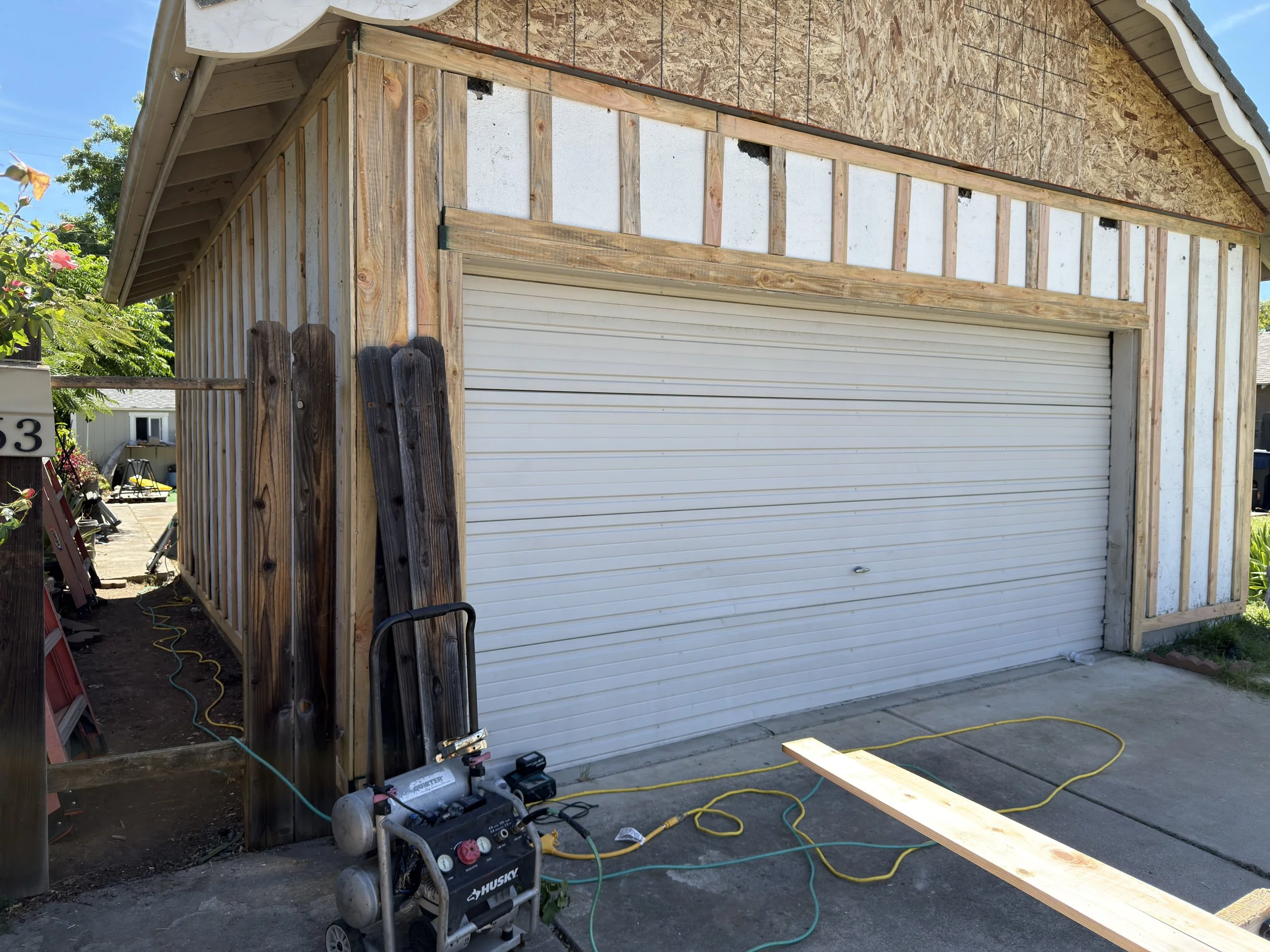
The most important part of a stucco to vinyl conversion is the wall preparation. Vinyl siding cannot just be nailed randomly into stucco. It needs a flat, secure surface so the siding can hang properly and move the way it is designed to move.
In many cases, that means installing vertical wood furring strips over the stucco, often spaced around 16 inches on center depending on the wall and product requirements. These furring strips create a proper nailing surface for the siding. From there, the wall can be prepared with the correct trim, starter strip, corners, J-channel, flashing, and moisture management details.
Vinyl siding also needs room to expand and contract. If it is nailed too tight or installed over an uneven surface, it can wave, buckle, or fail early. Done correctly, stucco to vinyl can be a great option. Done poorly, it can trap moisture or create long-term problems.
Many homeowners choose Alside® vinyl siding, including Prodigy® insulated vinyl siding or Ascend® composite cladding, depending on the look, budget, and performance they want.
Wood Siding to James Hardie Siding
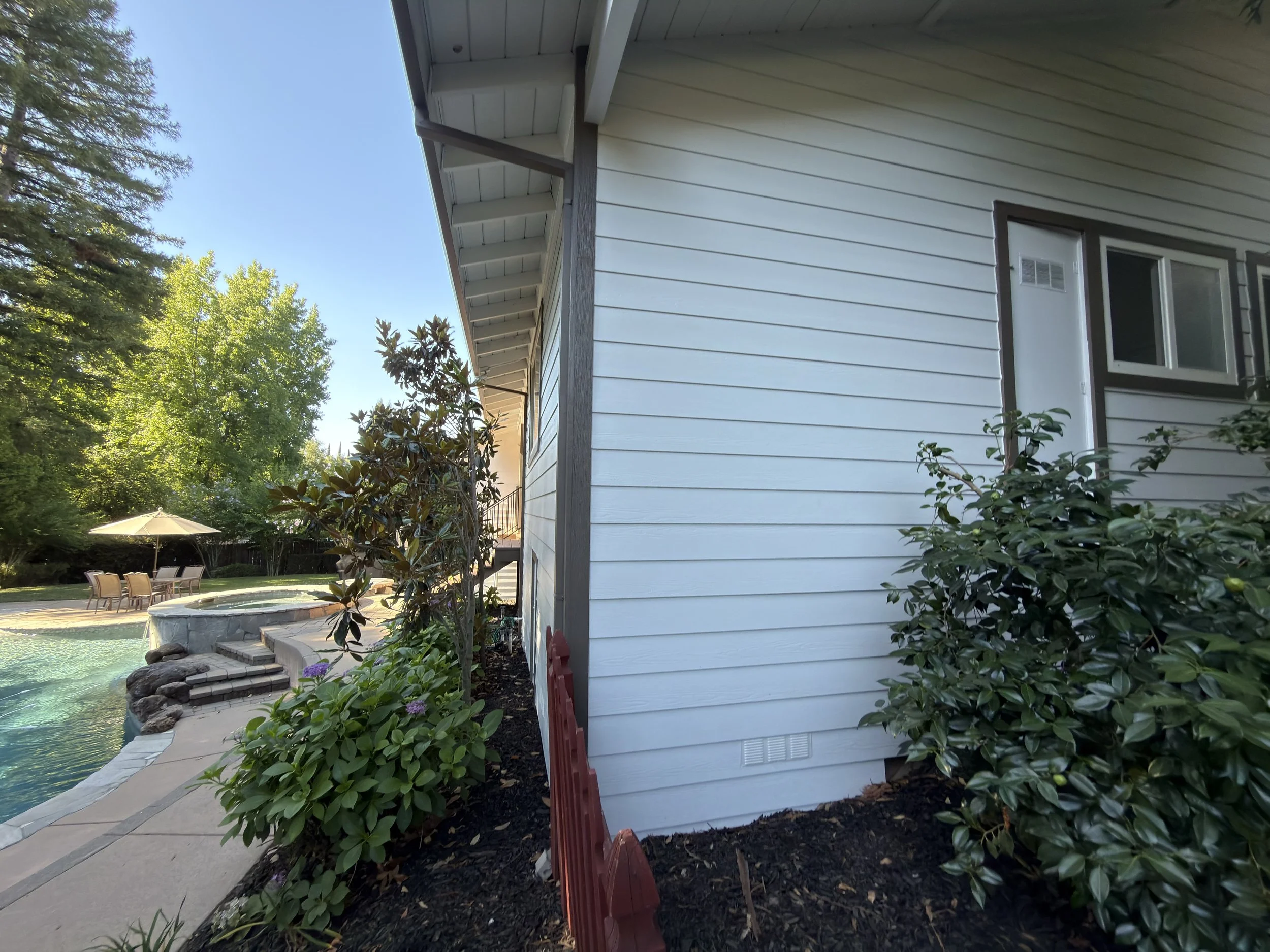
Replacing old wood siding with James Hardie® fiber cement siding is one of the best upgrades for homeowners who want a strong, clean, long-lasting exterior.
Wood siding looks great when it is new, but after years of sun, rain, paint failure, and moisture exposure, it can start to crack, swell, rot, or pull away from the wall. Once water gets behind old wood siding, the damage can spread into the plywood, trim, framing, and window areas.
A proper wood to Hardie siding project usually starts with removing the old siding and inspecting the wall underneath. If the plywood or OSB is damaged, soft, or missing in certain areas, it needs to be replaced before the new siding goes on. After that, the wall needs a weather-resistant barrier such as Tyvek® house wrap or HardieWrap®, along with proper flashing around windows, doors, penetrations, and transitions.
James Hardie siding is a premium product, but the installation matters. The wall needs to be solid, the clearances need to be correct, the flashing needs to be done right, and the trim details need to be clean. Hardie is not just something you nail on and paint. It is a full siding system, and it needs to be treated that way.
For homeowners replacing older wood siding, Hardie can completely change the appearance of the home while giving it a more durable and fire-resistant exterior.
Wood Siding to Vinyl Siding
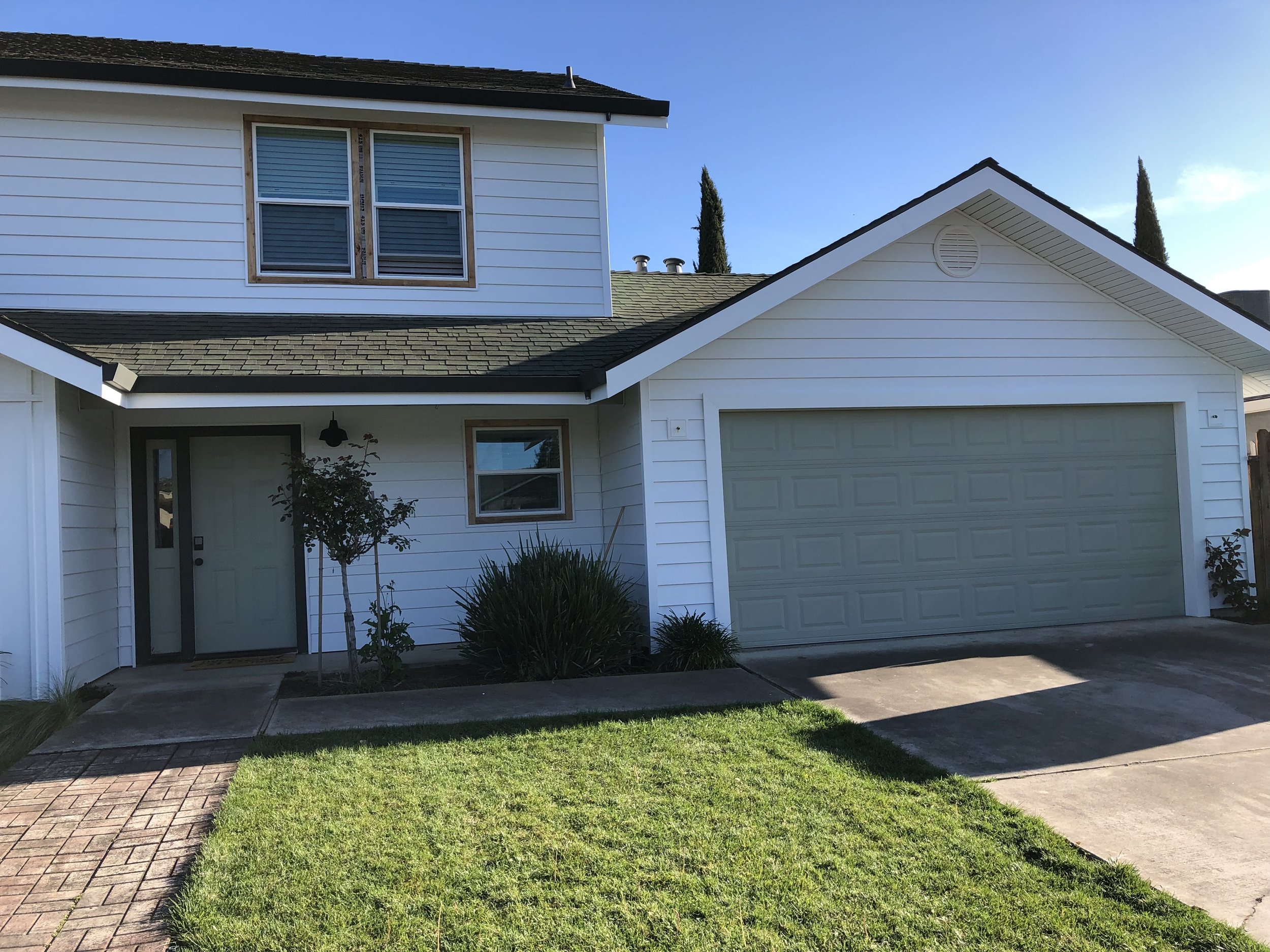
Wood to vinyl siding is another common project, especially for homeowners who want a clean look with less maintenance and a more budget-friendly option than some premium materials.
This is common on homes with old T1-11, cedar siding, lap siding, or wood siding that has been patched and repainted too many times. Depending on the condition of the home, the old wood siding may be removed, the wall may be wrapped, and new vinyl siding can be installed over a proper surface.
The big thing to understand is that vinyl siding is not automatically a “cheap” job. A good vinyl siding installation still needs a flat wall, correct flashing, proper house wrap, clean trim details, and correct fastening so the siding can move with temperature changes.
Many homeowners choose Alside® vinyl siding systems because they offer strong curb appeal and low maintenance. Prodigy® insulated vinyl siding is a popular upgrade for homeowners who want added insulation and a more solid feel. Ascend® composite cladding is another premium option that gives a wood-look finish with low maintenance, and it can be paired with James Hardie® trim for a very clean custom exterior.
When installed correctly, vinyl siding can be one of the best value options for homeowners who want a major exterior upgrade without repainting every few years.
Why Some Siding Repairs Are Not a Good Idea
Not every siding issue requires a full replacement. Sometimes a repair makes perfect sense. If there is one small damaged area, one rotted trim board, or one isolated section of siding, a repair may be the right move.
But some siding should not be patched.
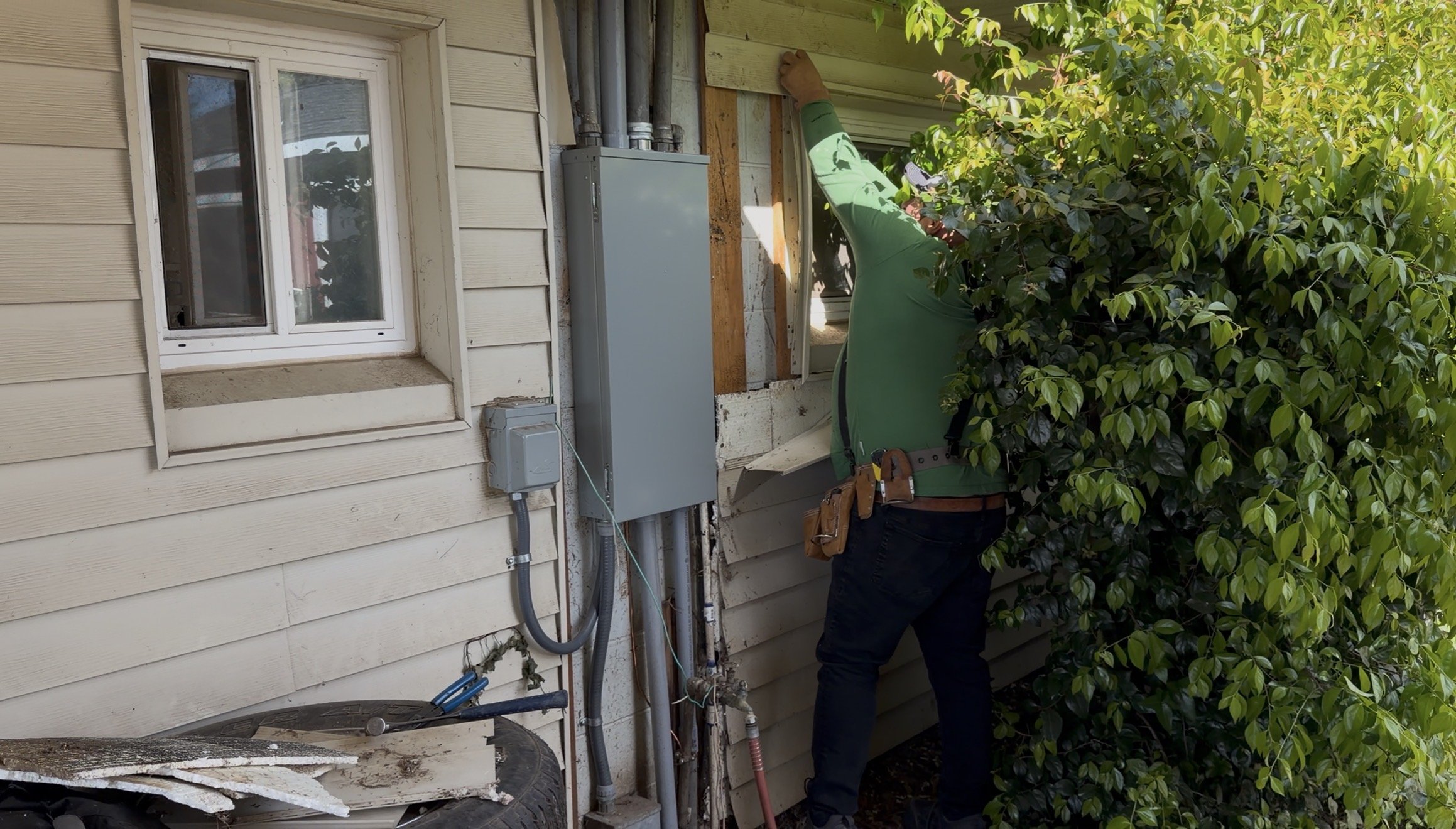
One of the biggest problems is discontinued siding. A lot of older siding products are no longer made. That means the exact profile, thickness, lock, texture, or panel size may not exist anymore.
This matters because siding is designed to overlap, lock together, shed water, and protect the wall. If a new piece does not connect correctly with the old siding, it may leave a gap or weak point where water can get behind the wall. That can lead to dry rot, swollen sheathing, failed trim, leaks around windows, and expensive damage later.
That is why a small repair sometimes becomes a full wall replacement. If the damage is in multiple areas, or if the siding is brittle and failing throughout the home, a full siding replacement may be the better long-term option.
We always try to be honest about that. If a repair makes sense, we will tell you. If a repair is going to create more problems later, we will explain why.
Plywood Re-Sheathing: Why the Wall Underneath Matters
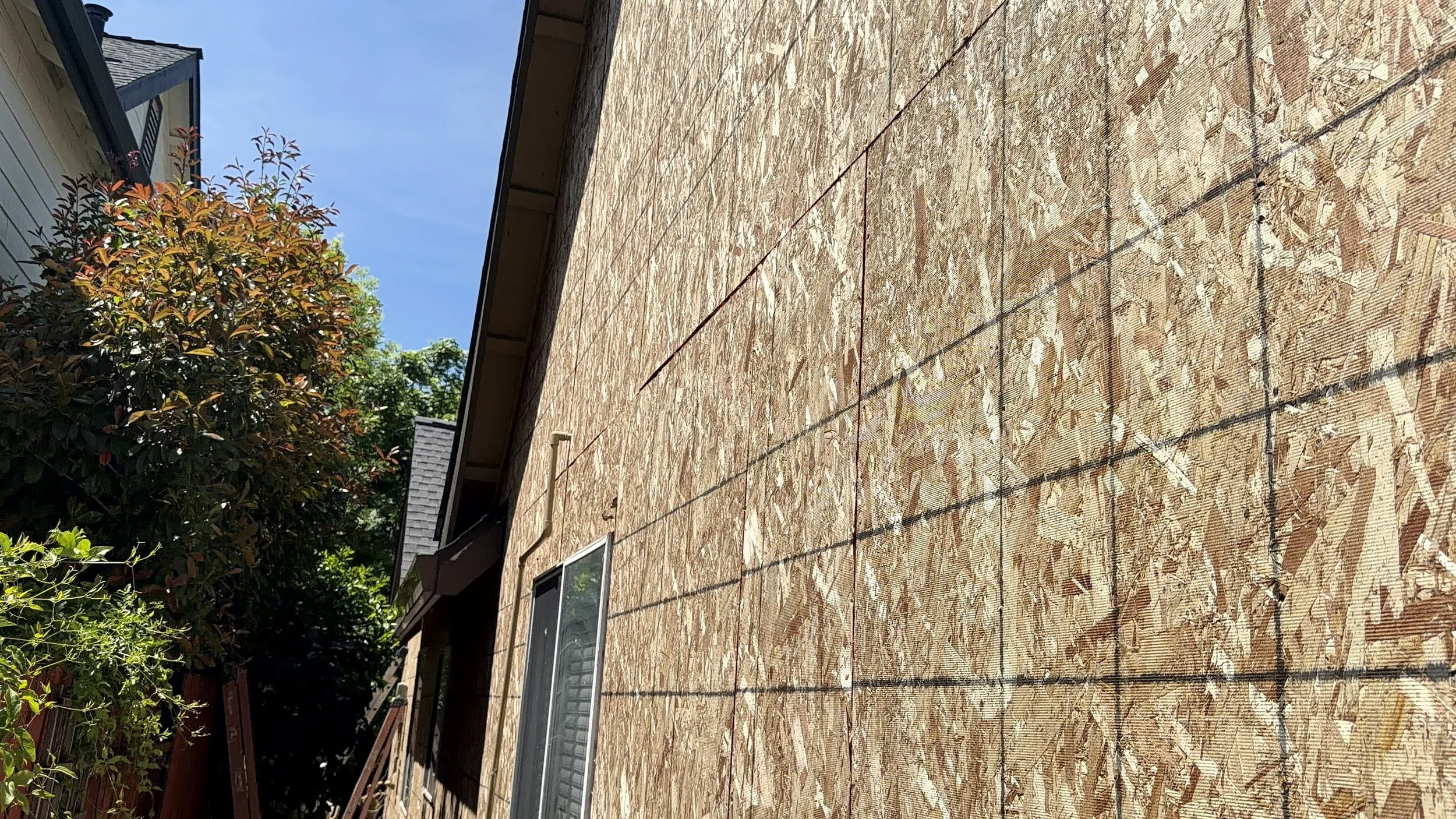
Plywood re-sheathing means replacing or installing plywood or OSB sheathing behind the siding.
This is one of the most important parts of a siding project because the new siding needs a solid backing. If the wall underneath is soft, rotted, uneven, or missing proper sheathing, the new siding will not perform the way it should.
Sometimes only a few damaged areas need new plywood. Other times, especially on full tear-off projects or older homes, a much larger area may need to be re-sheathed. This is common when old siding has been leaking for years, when panel siding was used as part of the wall system, or when the surface is not strong enough for the new siding product.
Good siding starts with a good wall. If the wall is not solid, everything on top of it is compromised.
That is why an in-person inspection matters. Photos can help, but you cannot always see the real condition of the wall until the old siding is removed.
Tyvek, HardieWrap, and House Wrap
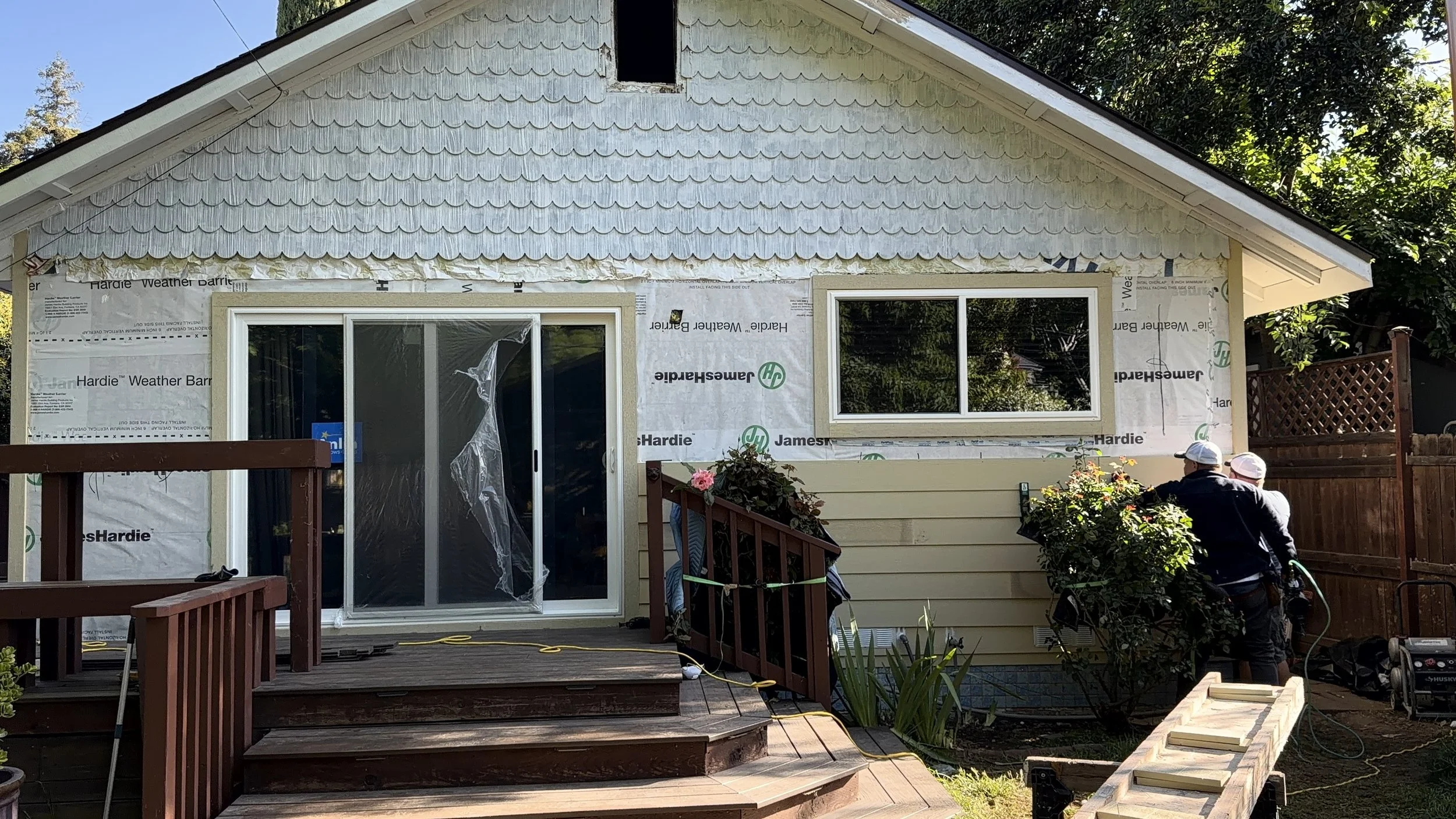
House wrap is one of those details homeowners do not always see, but it is a major part of a proper siding installation.
Siding is not meant to be the only defense against water. Wind-driven rain and moisture can still get behind the siding, which is why a weather-resistant barrier is installed over the sheathing.
Common options include Tyvek® house wrap and HardieWrap® weather barrier, depending on the project and siding system. The purpose is to help protect the wall from water intrusion while still allowing the wall assembly to breathe.
The installation matters just as much as the material. Seams need to be overlapped correctly. Tape needs to be used properly. Windows and doors need to be flashed. Water needs to be directed outward, not behind the wall.
This is where a lot of siding jobs fail. The siding can look good from the street, but if the flashing and house wrap are wrong, water can still get behind the wall and cause damage over time.
Trim, Rakes, Corners, Soffit, and Fascia
Trim is what makes the siding job look finished, but it also helps protect some of the most vulnerable areas of the home.
Window trim, door trim, corner boards, rake boards, fascia boards, frieze boards, soffit, and flashing all work together with the siding. If the trim is rotted, poorly flashed, or installed wrong, water can still get into the wall even if the siding itself is new.
On many California homes, the rake boards and fascia take a beating from sun and weather. If they are dry, cracked, or rotted, replacing them during a siding project usually makes the most sense.
A common trim detail is 1x4 trim around windows, doors, and rake areas. For James Hardie projects, homeowners often choose James Hardie trim or wood trim depending on the style and budget. For vinyl projects, the trim system is different and may include vinyl accessories, J-channel, corners, and other details depending on the design.
Some premium projects also combine materials, such as Alside Ascend® composite cladding with James Hardie® trim, which can give the home a high-end custom look while keeping maintenance low.
The goal is simple: clean lines, proper water management, and a finished exterior that fits the home.
Full Wall Replacement vs. Full Home Siding Replacement
Sometimes the best solution is to replace one wall. Other times, replacing the full home makes more sense.
A full wall replacement may be the right choice when one side of the home has most of the damage. This happens often on walls that get heavy sun exposure, walls with water intrusion, or areas where old siding is discontinued and cannot be patched correctly.
A full home siding replacement may make more sense when the siding is failing in several places, the trim is bad throughout the home, the material is brittle, or the homeowner wants one consistent finish instead of a patchwork look.
There is no one-size-fits-all answer. Some homes only need a repair. Some need one wall replaced. Some are ready for a full exterior update.
The best approach is to look at the siding, trim, sheathing, water damage, product availability, and long-term goals before deciding.
Signs Your Siding May Need Replacement
Most siding problems start small. A little soft wood, a few cracked panels, peeling paint, or one area of swelling may not seem like a big deal at first. But those small signs can mean water is already getting behind the exterior.
If your siding is pulling away from the wall, warping, cracking, growing mold, holding moisture, or needing repeated repairs, it may be time to have it inspected. The same is true if your trim is swollen, your paint keeps failing, or your home exterior looks worn down no matter how often it gets touched up.
The earlier you catch siding problems, the easier they are to deal with. Once dry rot spreads behind the siding, the repair usually becomes more expensive.
Siding Options We Install
Every home is different, so the best siding product depends on your budget, style, and the condition of the existing exterior.
James Hardie® fiber cement siding is a great option for homeowners who want a durable, higher-end exterior with strong curb appeal. It is very popular for wood siding replacement and full home exterior upgrades.
Vinyl siding is a strong value option for homeowners who want low maintenance, clean curb appeal, and no repainting every few years. It is commonly used for stucco conversions, wood siding replacement, and full home siding projects.
Alside® siding products include traditional vinyl siding, Prodigy® insulated vinyl siding, and Ascend® composite cladding. These systems offer a range of looks and performance levels depending on what the homeowner wants.
LP SmartSide® is another option for homeowners who want an engineered wood product with a different look and feel than fiber cement or vinyl.
We also handle T1-11 repairs, wood siding repairs, soffit replacement, fascia replacement, aluminum-wrapped fascia, trim work, and dry rot repair when the project calls for it.
How Much Does Siding Replacement Cost?
Siding pricing depends on the home.
The size of the house matters, but it is not the only factor. The material selected, the amount of tear-off, the condition of the plywood, the trim package, the number of windows and doors, dry rot repairs, soffit and fascia work, paint, access, and project complexity all affect the final price.
That is why we created our Siding Cost Calculator. It gives homeowners a better starting point before scheduling an estimate. It will not replace an in-person inspection, but it can help you understand the budget range before taking the next step.
We also recommend reading our Siding Cost Blog because it explains why one siding project may cost much more than another, even when the homes look similar from the outside.
Frequently Asked Questions About Siding Replacement
How much does siding replacement cost in Greater Sacramento and the Bay Area?
Siding replacement cost depends on the size of the home, the material selected, the amount of tear-off, dry rot repairs, trim replacement, soffit and fascia work, and whether plywood re-sheathing is needed.
For a better starting point, use our Siding Cost Calculator and read our Siding Cost Blog before scheduling an estimate.
What is the best siding for homes in Northern California?
The best siding depends on your home, budget, and goals.
Many homeowners choose James Hardie® fiber cement siding for durability and curb appeal. Others choose vinyl siding, Alside® Prodigy® insulated siding, or Alside® Ascend® composite cladding because they want a lower-maintenance exterior.
Homes in Greater Sacramento deal with heat, sun exposure, and dry conditions. Homes in the Bay Area and coastal areas can deal with more moisture and changing weather. The right siding system should match the home and the environment.
Can vinyl siding be installed over stucco?
Yes, in many cases vinyl siding can be installed over stucco, but the prep work is critical.
The wall usually needs furring strips, a flat nailing surface, proper flashing, and moisture management details. Vinyl siding also needs to be fastened correctly so it can expand and contract.
Is James Hardie siding worth it?
For many homeowners, yes. James Hardie siding offers strong curb appeal, durability, fire resistance, and long-term value when installed correctly.
The key is proper installation. The wall needs to be prepared correctly, the siding needs the right clearances, and the flashing and trim details need to be done right.
Can discontinued siding be repaired?
Sometimes, but not always.
If the exact siding profile is no longer made, a repair may not lock in or overlap correctly with the existing siding. That can create a water issue. In that case, replacing the full wall may be better than forcing a patch that could fail later.
Do I need to replace my siding if I have dry rot?
Not always. Small areas of dry rot may be repairable.
But if the damage is spread across multiple areas, or if the siding is already failing, replacing the full wall or the full home may be the better long-term option.
How long does siding replacement take?
A small repair may only take a day or two. A larger siding project can take several days to a few weeks depending on the size of the home, the amount of tear-off, repairs, weather, and material availability.
Does new siding increase home value?
New siding can improve curb appeal, protect the home, reduce maintenance, and make the property more attractive to buyers.
It is not just a cosmetic upgrade. Done correctly, siding replacement also helps protect the wall system behind the exterior.
Do you serve my area?
VISION SIDING serves the Greater Sacramento area, the Bay Area, and surrounding Northern California communities, including Sacramento, Folsom, El Dorado Hills, Roseville, Rocklin, Granite Bay, Fair Oaks, Citrus Heights, Rancho Cordova, Elk Grove, Carmichael, Orangevale, Lincoln, Loomis, Auburn, Galt, Lodi, Stockton, Walnut Creek, Danville, San Ramon, Livermore, Pleasanton, Concord, San Jose, Santa Cruz, Scotts Valley, Aptos, Capitola, Soquel, Watsonville, and nearby areas.
Ready to Start Your Siding Project?
If you are thinking about replacing your siding, repairing dry rot, converting stucco to vinyl siding, upgrading to James Hardie siding, or replacing soffit and fascia, we would be happy to take a look.
Start with our Siding Cost Calculator to get a better idea of your budget. Then visit our Contact Page to schedule an estimate or ask us any questions.
At VISION SIDING, we proudly craft your vision with precision.
We are a local family siding company serving Greater Sacramento, the Bay Area, and surrounding Northern California communities with siding replacement, siding repair, stucco to vinyl conversions, James Hardie siding, vinyl siding, trim, soffit, fascia, windows, decking, and exterior remodeling services.